Featured

…and duties as assigned

Week two:

8,640,000 Decisions!

According to a 2021 Education Week article, teachers make approximately 1500 decisions per day. Even before school begins, we attend to decisions about the delivery of instruction, a host of logistical details, and the ongoing needs of students. Not including weekends, late evenings spent grading, or prep work during the summer, 1500 decisions per day adds up to 8,640,000 decisions over the course of a 32-year career, a staggering number to wrap one’s head around.

None of us step into teaching properly prepared for the barrage of decisions we will face. There is no guidebook to provide simple answers when tensions converge, nor a pause button to buy us time when class is underway. Over time, decision-making strategies emerge.

Fifteen hundred decisions per day equates to roughly 3 decisions each minute throughout an 8-hour day. It’s no wonder that teachers show signs of decision fatigue, a term used to describe a cluster of red flags including feeling overwhelmed, anxious, depressed, and exhausted. Given the decision-laden nature of the profession, how might we support teachers in this dilemma?

Daniel Kahneman, Nobel Prize recipient in Economic Sciences and author of Thinking, Fast and Slow describes two systems at work when we think. System 1, called fast thinking happens quickly and relies on intuition and impulse. System 1 decisions solve problems fast, but they integrate hidden biases and emotions and so are subject to the fallout that results. In contrast, system 2 or slow thinking requires time to weigh alternatives, consider relevant connections, and reflect on broader contexts. Logical, informed decisions utilize system 2 thinking.

Healthy school culture depends as much on the quality of teacher decisions as it does on curbing their quantity. Improving opportunities for teachers to learn about the dilemmas of fast and slow thinking and to explore new decision-making strategies benefits the whole school community. Here are five ways to integrate fast and slow thinking for improved decision-making:

  • regularly analyze the intent and impact of in-the-moment decisions with a trusted colleague; seek different perspectives to expose hidden biases
  • stay curious about the cause-effect understory of what’s working and what isn’t
  • share decision-making responsibilities with colleagues and students to expand ownership
  • design useful protocols using system 2 thinking to simplify the complexity of routines,
  • learn to recognize what enhances learning and/or is truly urgent; limit the other stuff.

As philosopher and poet Bayo Akomolafe observes, “The times are urgent; let’s slow down.”

#decisionmaking, #humanesystems, #teacherwellbeing, #lessismore, #thinkingdifferently

Featured

…and duties as assigned

Week one: The Starting Line

In 1986, fresh out of graduate school, I landed my first teaching position in an up-and-coming district in Colorado Springs. More than 100 other applicants competed for that same position. My starting salary, with master’s degree in teaching secondary science, was just over $24,000. It had been my dream to teach in public schools and I couldn’t wait to get started. My career in teaching was underway.

Of course, times change, and I was curious to see how this professional starting line has fared. Do today’s first year teachers navigate a similarly competitive job market? Have salary schedules kept up with the times to draw new talent into the profession?

To find out, I visited the Colorado Department of Education website where statewide data about staff hirings and shortages can easily be found. The most recent of these surveys from the 2021-2022 SY reveal the following disturbing truths:
“Of the 5,729 teaching positions to hire, 440 (8%) remained unfilled for the school year and 1,128 (20%) were filled through a shortage mechanism. Despite the three-year decrease in total positions to be hired, there has been an increase in the percentage of positions that remain unfilled (+6% since 2019-2020) and that are filled via a shortage mechanism (+7% since 2019-2020).”
(see: www.cde.state.co.us)

Next, I wondered about teacher pay. Using an online inflation calculator, I discovered that today’s dollar is 64% less valuable than in 1986. In other words, what could be purchased for $100 in 1986 today costs $274.49 (according to the Bureau of Labor Statistics consumer price index). Adjusting for inflation, then, you might expect my 1986 $24,000 starting salary to now be about $65,900. Instead, a first-year teacher with a master’s degree earns just shy of $47,000 (in a major school district in Colorado Springs). That starting salary is lagging inflation by 29%.

Thankfully, our schools welcome new teachers each year who invest gobs of time and talent in their work. You might know someone brand new to the profession. If so, buy them a coffee and say thanks. If they tell you that “they’re not in it for the money,” believe them.

Coming next week: Onboarding for Success
#teachers#schoollife#teachersupport

Featured

…and duties as assigned

…and duties as assigned sets out to invite civil discourse about the range of responsibilities and versatility of skills expected of today’s U.S. public-school teachers. Using stories drawn from personal experience and amplified using Fermi Problem reasoning, these posts serve both as a tribute to the collective innovation underlying our universal free and public education AND as a high-pitched silent scream for the layers of complexity that hamstring this objective.   Look for a new post each week and add your own perspectives about the dynamic tensions that shape the realities of teaching. You can find additional …and duties as assigned posts at my website: www.highaltitudelearning.org

Featured

Inquiring About Inquiry

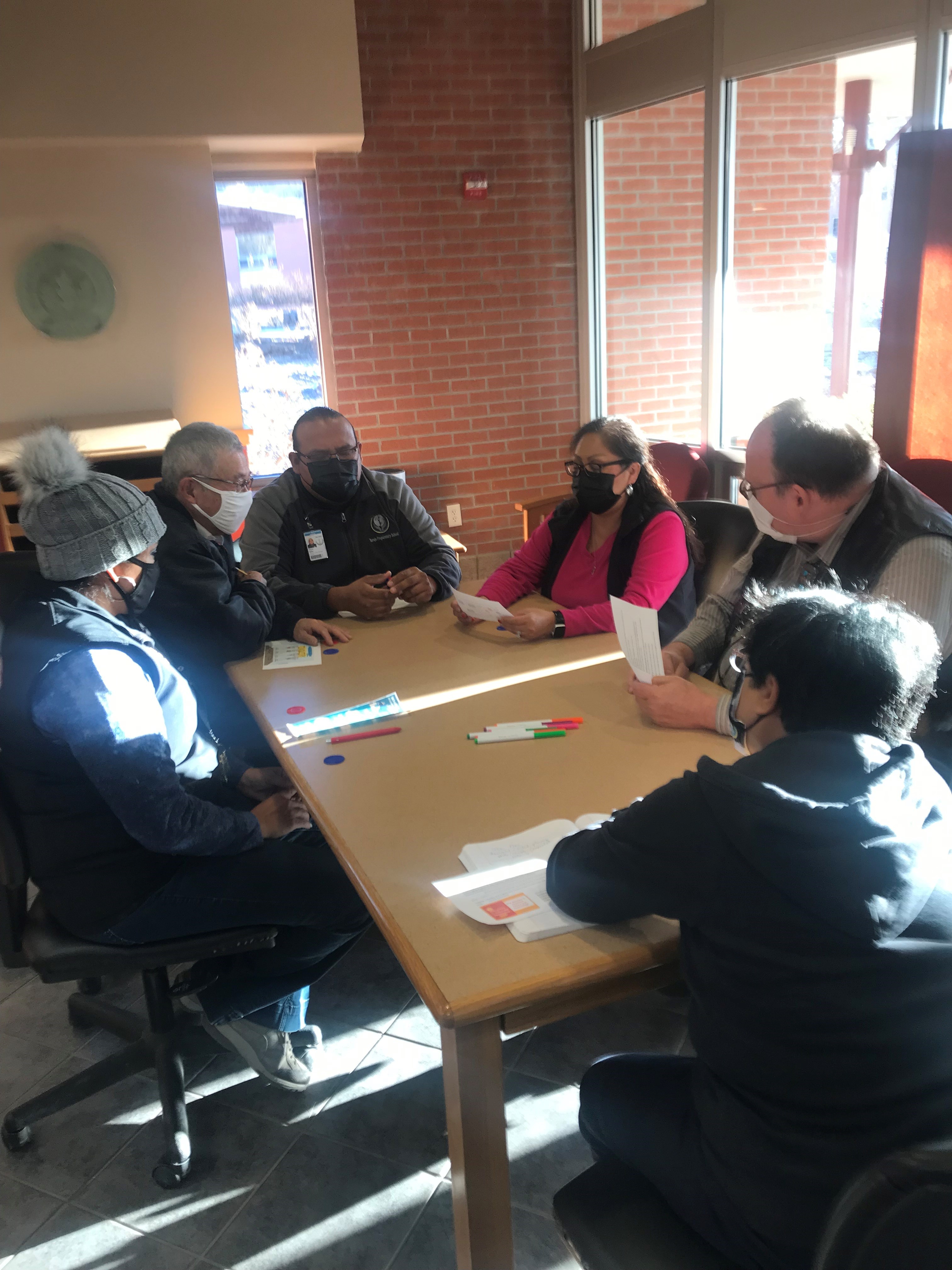
So glad to have had the chance to return to Navajo Prep to lead an inquiry about inquiry. Together we explored teaching strategies, thinking routines, and task developments designed to increase student curiosity and thinking. Teachers engaged as inquirers to seek information and develop questions and goals to guide their own professional learning throughout the semester. Taking time to debrief as a faculty increased awareness about the growing culture of inquiry throughout the school.

Featured

Stories and Reflections from an Imperfect Practice- Part One

“The question holds the lantern.”  John O’Donohue, Celtic poet

Have you ever botched a great inquiry lesson using a poorly planned sequence of questions? Here’s an epic example of my own palm-to-forehead struggle to facilitate learning using the wrong questions.

During my first-, or second-year teaching IB science, I created an opportunity for sixth graders in my classes to collaborate with sixth graders from a school in Sydney, Australia. Some quick outreach through the IB network of schools connected the two classrooms, ours located at 6,500 ft elevation, and theirs, at sea-level. Our goal as scientific partners was to boil water and compare results.

Students developed simple procedures, sharing them electronically across the miles, attending carefully to details that would affect the reliability of their work. Basic research supported the development of hypotheses that included a predicted boiling point of 1000 C.

Despite careful measurements, patience, and multiple trials the big experiment revealed surprising results. As student groups in Colorado recorded lower boiling points than expected, I began asking questions, but instead of my questions “holding the lantern,” for deeper learning, they added confusion and reinforced misconceptions. I asked clunky close-ended questions about results and tried too hard to increase student curiosity about differences in temperature readings. Student after student concluded in their lab notebooks that yep, the boiling point of water the world over appeared to be 1000 C. Clearly, I needed to devise better strategies for facilitating inquiry learning.

The development of inquiry questions plays a critical role in MYP unit plans. Questions lead the way towards three distinct learning goals: acquisition of information, development of conceptual understanding, and transfer of ideas from familiar to unfamiliar situations. It is by way of well-crafted questions that students take charge of their learning and engage as thinkers and problem-solvers when facing the unexpected. If I could orchestrate a redo on this international experiment, I might use the following question to spark curiosity and access prior knowledge: Here’s a fun fact: It takes several minutes longer to boil an egg in Colorado than it does in Sydney. Why do you suppose that is?  

To support conceptual understanding, posing the following question might be helpful: If we could shrink down to the size of water molecules, what changes would we observe happening when water reaches its boiling point?

And wouldn’t it be interesting to encourage dialogue among our young scientists using the following question: Are there conditions that can affect water’s “boiling point,” or is this a fixed point that never changes? Share your thinking. How might you test your ideas in the lab?

Designing and delivering elegant questions is truly the fine art of teaching. If you come to Colorado and eat a flat, gummy cake in a local restaurant, chances are good that the chef was a former student from this class. My apologies… I am still learning.

Featured

Points of Hope Around the World

I am creating an interactive map featuring short descriptions of fabulous community and personal projects completed by students around the world. My goal is to include an example or two from every authorized MYP world school, presented as “points of hope” on a global map.

By making visible examples of these projects and their impact on communities around the world, we celebrate MYP student contributions to a better and more peaceful world. Having this comprehensive resource unites us as an international community, provides inspirational examples for students currently engaged in the project challenge, and reminds us that our efforts as teachers of inquiry learning make a positive difference. Your participation requires an investment of roughly 10 minutes. Access to this growing resource is free and offered with gratitude for all that you do as IB educators.

Click here to share details of one or two inspirational projects: https://docs.google.com/forms/d/16wpBuEuS4JewlUEwxSlNSGIEFR50k2aF9MiWG8oHyU4/edit
Click here to view the Points of Hope map: https://padlet.com/carolynderr/w9vb4er03hzc3o57

Featured

The Harvest of Learning

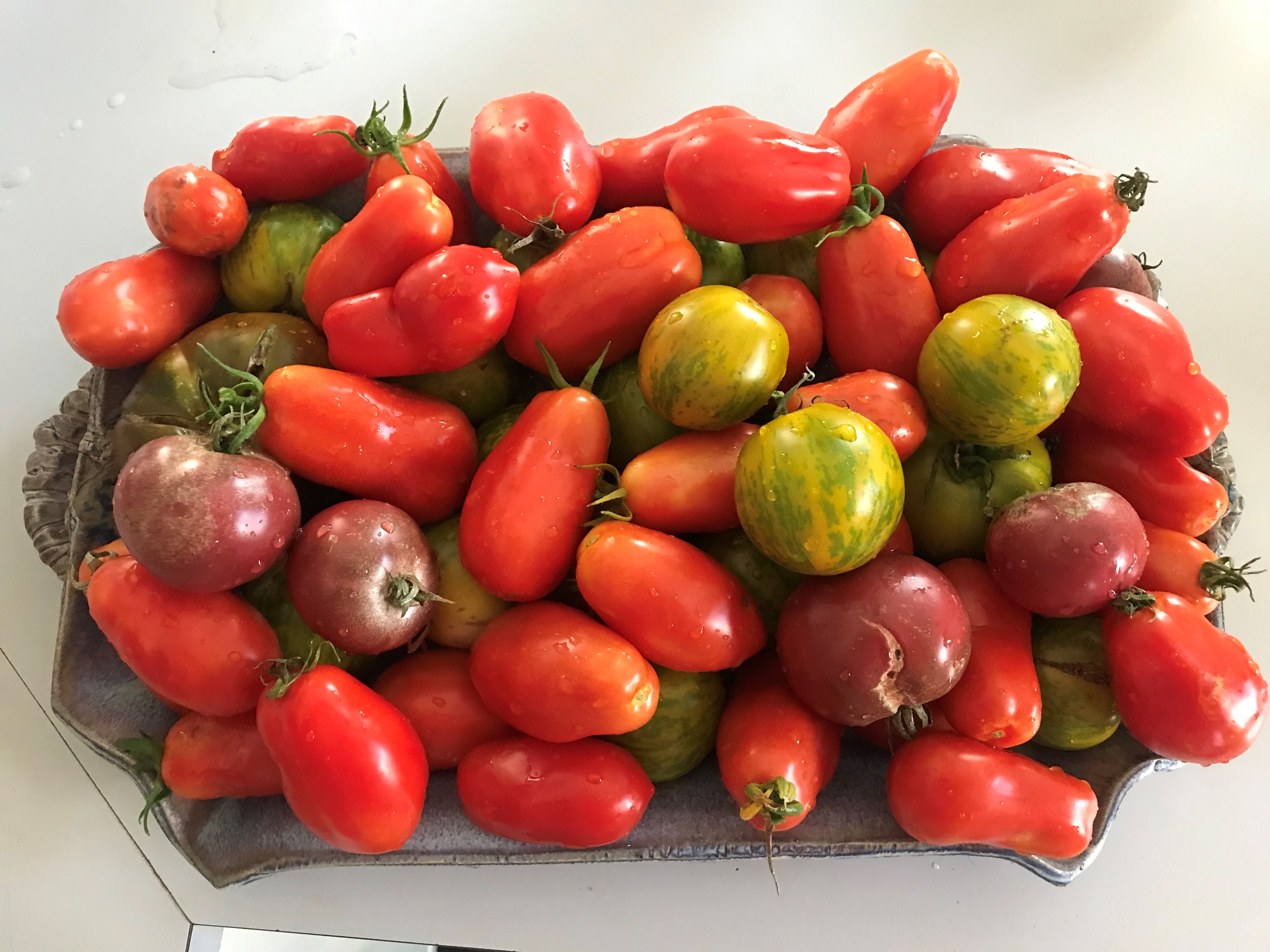
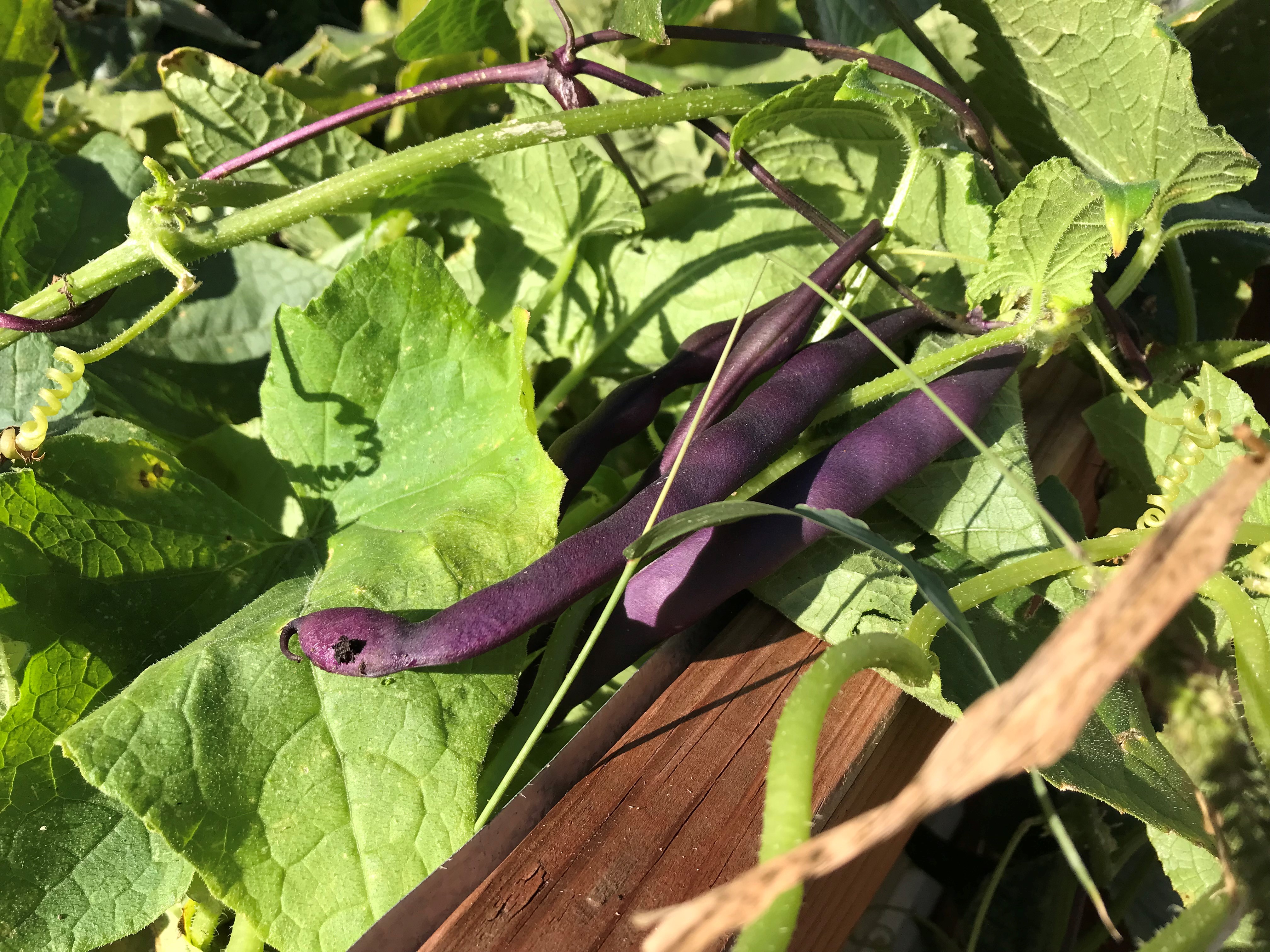
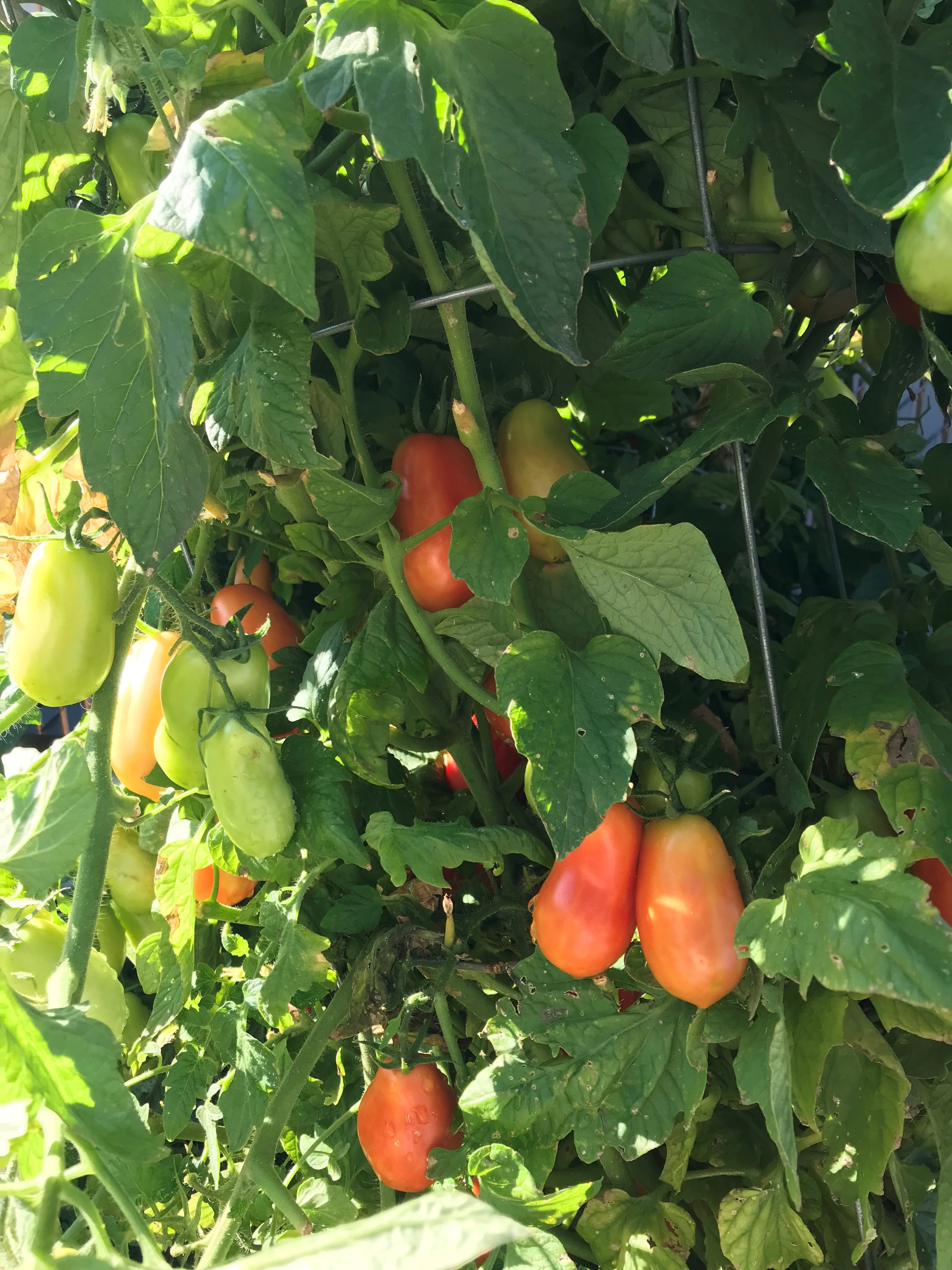
This time of year, I find delight in the harvest after a busy summer in the garden. Each time I visit my deep beds I return with a bucket of produce… tomatoes, cucumbers, carrots, peppers, basil, beans, such rich reward for months of tending.

Teaching is much like gardening. We prepare the soil by fussing over the details of its composition; we plant and nurture, guide, prune, thin the weeds, and marvel at resulting growth over time.

I like to think of well-crafted questions as tools for capturing harvests from the journey of learning. Different types of questions allow us to enjoy harvests in unique ways. What growth are we looking for in the tangle of vegetation? What treasures might we find when we look with intention?

When designing curricula, it’s helpful to focus on three distinct types of learning “harvests” and develop questioning tools to help in gathering and processing information in ways that sustain ongoing learning.

There are questions that reveal how students piece together new information. These questions explore what concrete knowledge is sticking from the learning experiences, and what might be missing. Discerning in advance essential information from that which is tangential clarifies question design. Coaching students on ways to affinity group information, accurately describe and articulate it, recall, and share knowledge in various ways adds to the bounty.

While knowledge is necessary, by itself it is not sufficient. Learning harvests also need to include how students make meaning and create understanding. Questions that uncover how information integrates with important big ideas require more time in their response but awaken the purpose and joy of learning. When we use questions to reveal conceptual understanding, we ask things like how, can you show me, and why, and we coach students on being comfortable with ambiguity, persistence, and the development of critical and creative thinking skills.

And finally, in what ways can students transfer and apply what they are learning to different situations. Can they “make the sauce” with their produce? To harvest this transfer of learning we use questions of understanding, performance, authentic application, and synthesis. “Making sauce” is active, authentic, messy, and the ultimate sign of learning success.  

So, celebrate harvests big and small with questioning tools designed for specific outcomes.

Happy harvest, and Bon Appetit!
Carolyn

Featured

Portals of Self-Discovery

A couple of years ago I worked with a student I’ll call Jade as a mentor throughout the personal project experience. Using conventional methods of judging achievement, Jade struggled in school. Her grades were poor, as was her attendance; it would be easy to assume the personal project would not be her thing. Still, she seemed intrigued about the idea of exploring something of personal interest. I think she was shocked to discover that learning about make-up, cosmetology and self-expression could make a fine personal project; perhaps it didn’t seem “schooly” enough.

A few weeks into the year she left our school to live with a parent in a different city. To my great surprise I received emails occasionally from Jade with a personal project question, which I always answered right away, glad to be in touch, and genuinely interested in learning more about a topic completely foreign to me.

Shortly after Winter Break, I was surprised to see Jade again in my office after re-enrolling in our school. She carried with her the finest process journal I have ever seen. It was bulging with authentic drawings of make-up treatments, including dozens of color schemes to match moods, occasions, and favorite outfits. She researched products and application techniques and added before/after pictures of her own efforts. She shared ideas for improvements, wondered about how she might fix her hair to reinforce the look she was going for, and on and on. If I had to choose a poster child for the project that year, it would have been Jade. My goodness she stayed focused and engaged beyond any expectations for completion, given the circumstances in her personal life.

Imagine then, the “mic drop” moment when I asked for her reflections about this learning experience. She thought for a moment, looked me in the eye and said, “I used to think that make-up defined my beauty, but I learned through this project that what makes me beautiful is believing in myself and expressing my truth in unique ways.”

So, here’s the thing with the personal project: we must first believe that giving students voice, choice, courage, and skills to pursue “personal projects” is education’s ultimate goal. We must believe deep down that devoting school time to empowering students to persevere on tough inquiries is at least as important as solving for x, writing a lab report, learning about the French Revolution, or any other subject-based content, and then commit to growing our skills as mentors in this process.

How can we use stories like Jade’s to grow our practices so more students experience this kind of self-discovery? For me, Jade’s story speaks to the importance of ownership as a key ingredient in learning. I have a hard time imagining Jade’s success without the freedom to choose, design, and complete this project on her own terms. What other experiences did Jade have throughout her years in our program to cultivate ownership of learning? How is student ownership modeled, coached, encouraged as a part of school culture?

Culminating projects serve as reflecting mirrors for our programs. We can deconstruct the evidence from these projects to better understand gaps in implementation and then design solutions that lead to persistent growth. Adding transparency to patterns in the evidence can lead to insights about not only student ownership, but also building trust-based relationships, mentoring for inquiry thinking, persistence on hard tasks, and partnering with families on learning support. This is the perfect year to use culminating projects as a portal to self-discoveries about the fine art of program implementation. Join me here in the weeks ahead for more stories and reflections about the role culminating projects play in program development. Or contact me for additional ways I might support your best work as program designers.

Carolyn

photo credit: http://www.pexels.com
Featured

“Inspiration Porn”

As the Tokyo Olympic and Paralympic Games come to an end, I appreciated reading Gwen Knapp’s article “Paralympians Know “Inspiration Porn” When They See Itin this morning’s New York Times.

Knapp brings awareness to the term “inspiration porn,” originally coined by the late Australian activist and journalist Stella Young and used to describe behaviors and media messaging that fixate on a person’s disability as the source of inspiration, rather than their character, commitment to excellence, and success.

The Becoming Your Personal Best curriculum developed in partnership with the US Olympic and Paralympic Museum introduces students to six skill sets essential to developing resilience using inspiring stories of US athletes who champion the process of achieving their personal best. It is in the showing up, the grueling hard work, and the determination that we find inspiration and see paths forward on our own journeys toward hard goals that matter. Check it out here https://becomingyourpersonalbest.org/ .

Featured

Launching Student-Designed Projects

For world school educators in the northern hemisphere, I’m curious … Is it too soon to mention community and personal projects in a blog post? 😊

Because of my special fondness for these experiences, I’m going to answer my own question with a resounding “NO!” In fact, these first days of the school year are perfect for generating enthusiasm and belonging through student-designed projects. What if students could begin the academic year knowing this is their year to imagine, plan, create, and complete a project of personal value within a supportive school culture?

In launching the projects, because of time constraints, there is often the temptation to jump right into supplying students with information about assignment details (developing knowledge) … What is the project? When is it due? What expectations define it?  While information about specifics is important, leading with this orientation sets up the project as just another box to be checked, another assignment to be completed.

Instead, here are two ideas for developing understanding about the power of self-expression through student-directed projects:

  1. Involve older students who completed the project in recent years as essential peer mentors. Invite their insights to questions like: How did you choose your project? Did you stick with your first project idea, or did your thinking evolve over time? What highs and lows did you encounter along the way? How did your project lead to self-discovery about personal beliefs, values, and ideas? What advice would you give to this year’s students about process learning?
  2. Invite grade-level teachers to incorporate project design questions as part of their get-to-know-you efforts during the first weeks of school. Conversation starters might include: What do you like doing during your free time? What personal interests would you like to explore in greater depth? If you could take on a project that allowed you to express something of deep importance, what would it be?

By emphasizing learning from a deeply intrinsic perspective, we invite curiosity and excitement, and we engage students in possibility thinking rather than compliance thinking. Students want to be seen, heard, and valued for their unique talents and interests. Culminating or personal projects provide wonderful opportunities for students to thrive in this way.

What other conversations and actions take place inside schools that make student-designed projects focal points of learning? Please respond to this blog post with your own ideas and experiences and join me on social media for lively discussions about transforming culminating projects into self-discovery experiences.

photo credit: Andrea Piacquadio, pexels.com
Featured

“Becoming Your Personal Best”

I was so incredibly honored to have been a member of the design team for the recently released social-emotional learning curriculum, Becoming Your Personal Best: Life Lessons from Olympians and Paralympians.

This first-of-its-kind curriculum shares the stories of courage and personal resilience of select US Olympians and Paralympians who persevered through challenges as they worked towards athletic success. Anyone working in education today knows the importance of building and strengthening resilience in the lives of young people.

This curriculum is free of charge, yet priceless in its ability to bring critical conversations about resilience into today’s classrooms. Check it out! https://becomingyourpersonalbest.org/

#BYPB #education #curriculumdesign #inspiration

Featured

Taking the Plunge

So, I did a big thing this week. I made official my plan to retire from a 31-year career in public education. Like this picture taken of me years ago, I feel as though I am falling backwards into an icy, unfamiliar and exhilirating new world of being. I’ve had to muster courage to commit, and rally my belief that delight lies ahead and a new sense of belonging will surface as I acclimate to this new “yes.”

Amidst feelings of vulnerability, exposure, uncertainty, there is also contentment and calm. I feel gratitude for the many privileged years of supporting young people reach for their bright futures. I hold tightly professional relationships that have inspired me and shaped me in important ways. It has been a career full of purpose and meaning, laughter and rewards. I will the miss the action & intensity, the people, the shared mission.

Now, with open heart and deep curiosity, let new adventures begin!

Featured

Sea-level… my first post

“…follow your bliss and don’t be afraid, and doors will open where you don’t know they were going to be.”

— Joseph Campbell, The Power of Myth

I took this photo of my daughter just a few steps into an epic journey on foot along the Coast to Coast trail across Northern England. Like most epic journeys, we were under prepared for the challenge ahead; we lacked updated maps, and hadn’t quite realized that we weren’t actually following a trail as much as a series of interconnected public footpaths worn deep through the passage of time, but only vaguely described in the dated guide we owned. All the same, our spirits were high, the wind was to our backs, and we were enjoying “the best of British weather,” at least on day #1.

Like with our Coast to Coast trek, I feel under prepared as a “blogger,” but full of excitement in setting out on a new learning adventure. This one is a bit closer to home and involves using story as a powerful learning tool.

There is no shortage of stories to be heard inside schools today. Ask anyone about themselves and information often comes pouring out. Check in with any teacher and you are bound to hear stories about the highs and lows of classroom life. Stories told directly in words, or indirectly through behaviors and actions, abound inside school communities, but in today’s fast-pace reality of education many of these go unexplored.

It is a rare gift to be the privileged recipient of stories that bubble up from deep within a person’s journey towards self-discovery. These stories of courage, vulnerability and insight, relayed in trust, and capable of transforming both the teller and the recipient through the storytelling process, provide opportunities to share in the experience of being fully alive. Stories of self-discovery allow us to understand one another, in spite of our differences, and to strengthen our sense of belonging inside a more humanized community.  

In this blog, I plan to share stories from my own experiences as storyteller and story recipient to illustrate the complexities of today’s public schools. As I begin this learning journey, I hope to pursue the following two compelling questions:

  • How might personal stories, skillfully integrated into classroom experiences, foster more student ownership and engagement?
  • How might more emphasis on stories of learning and self-discovery increase a sense of belonging within our complex schools?

I hope you will join me in this inquiry, sharing your own stories and perspectives along the way.

Carolyn Derr, March 2020