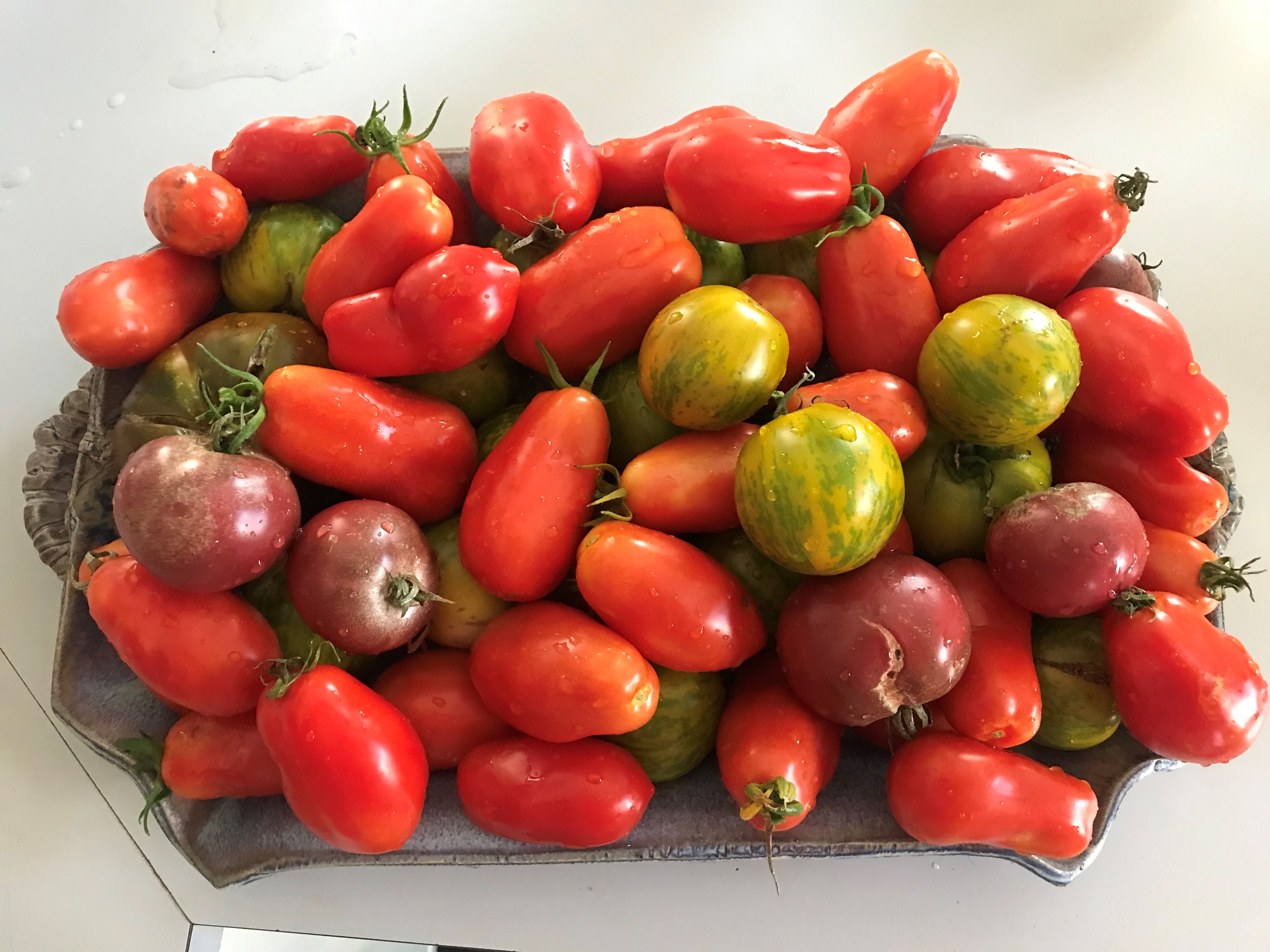
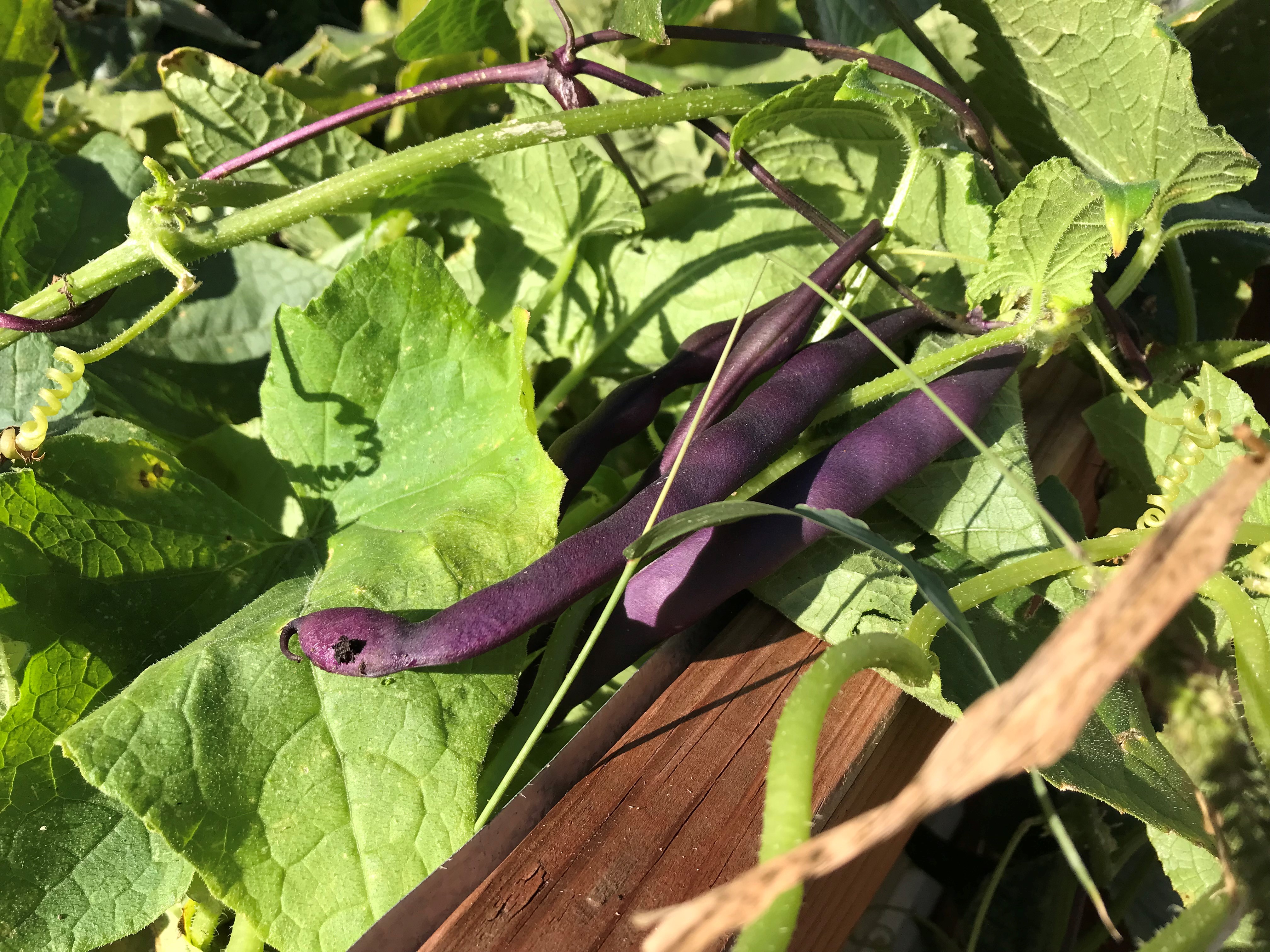
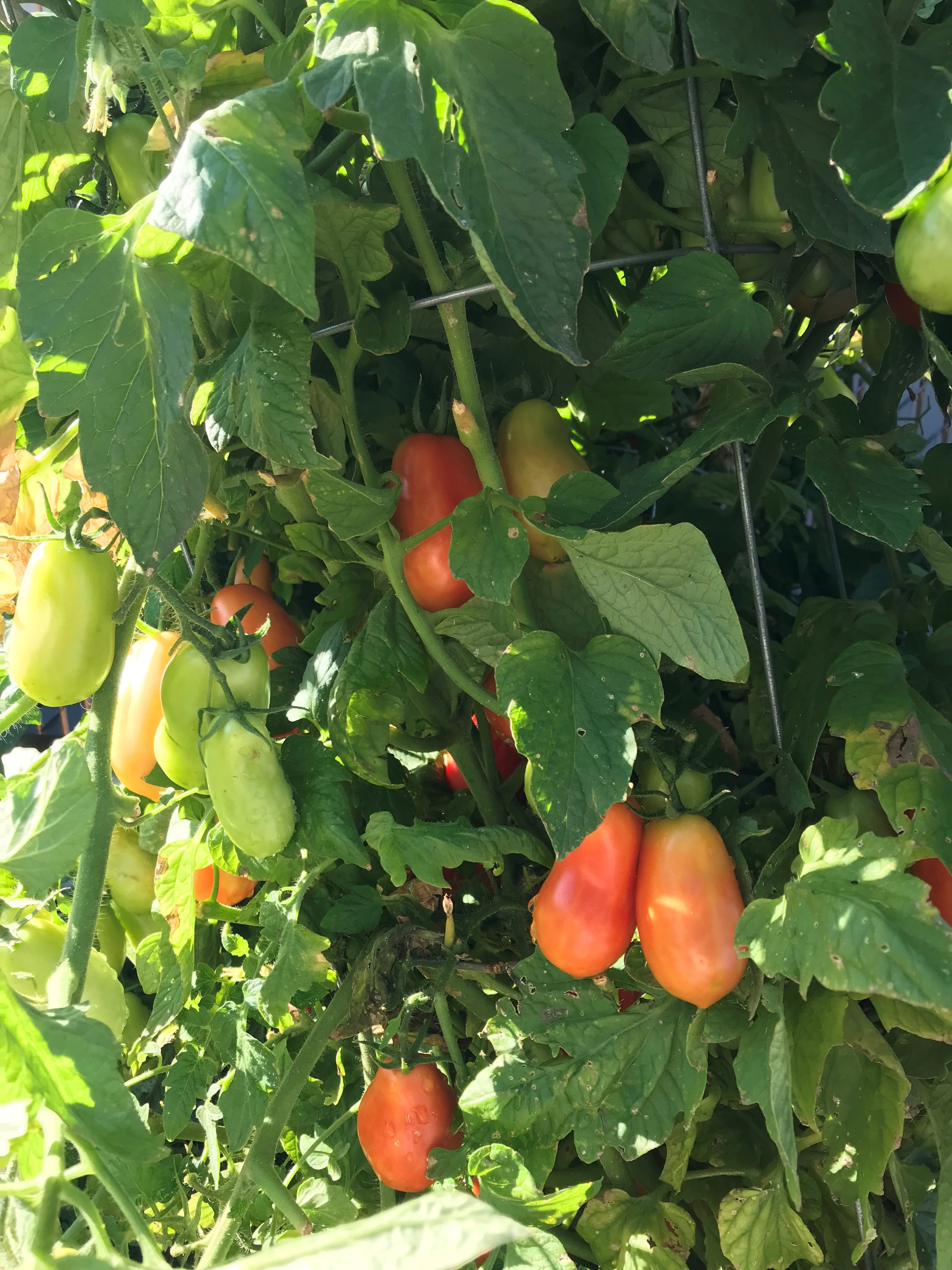
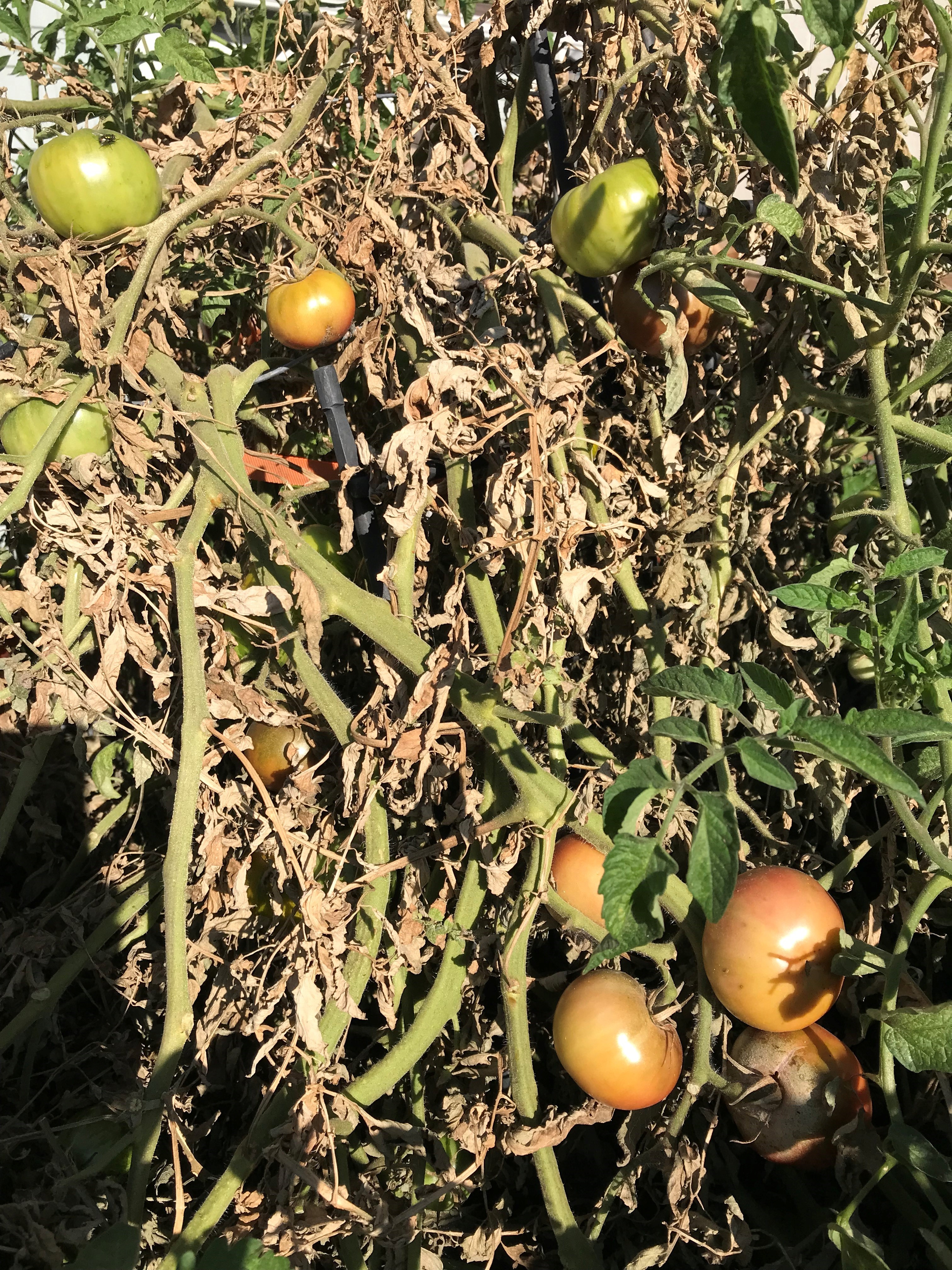
This time of year, I find delight in the harvest after a busy summer in the garden. Each time I visit my deep beds I return with a bucket of produce… tomatoes, cucumbers, carrots, peppers, basil, beans, such rich reward for months of tending.
Teaching is much like gardening. We prepare the soil by fussing over the details of its composition; we plant and nurture, guide, prune, thin the weeds, and marvel at resulting growth over time.
I like to think of well-crafted questions as tools for capturing harvests from the journey of learning. Different types of questions allow us to enjoy harvests in unique ways. What growth are we looking for in the tangle of vegetation? What treasures might we find when we look with intention?
When designing curricula, it’s helpful to focus on three distinct types of learning “harvests” and develop questioning tools to help in gathering and processing information in ways that sustain ongoing learning.
There are questions that reveal how students piece together new information. These questions explore what concrete knowledge is sticking from the learning experiences, and what might be missing. Discerning in advance essential information from that which is tangential clarifies question design. Coaching students on ways to affinity group information, accurately describe and articulate it, recall, and share knowledge in various ways adds to the bounty.
While knowledge is necessary, by itself it is not sufficient. Learning harvests also need to include how students make meaning and create understanding. Questions that uncover how information integrates with important big ideas require more time in their response but awaken the purpose and joy of learning. When we use questions to reveal conceptual understanding, we ask things like how, can you show me, and why, and we coach students on being comfortable with ambiguity, persistence, and the development of critical and creative thinking skills.
And finally, in what ways can students transfer and apply what they are learning to different situations. Can they “make the sauce” with their produce? To harvest this transfer of learning we use questions of understanding, performance, authentic application, and synthesis. “Making sauce” is active, authentic, messy, and the ultimate sign of learning success.
So, celebrate harvests big and small with questioning tools designed for specific outcomes.
Happy harvest, and Bon Appetit!
Carolyn


 High Altitude Learning